Introduction — A small scene, a big question
I once stood beside a humming line and watched a pallet of wet wipes sit idle while managers scrambled. In that moment the gap between expectation and reality felt loud. The wholesale wet wipe production line had to meet a large order, yet downtime ate into margins (we all hate that). Data shows even minor halts can cut weekly output by 10–20% in mid-size plants—so we have to ask: what is actually causing these pauses?
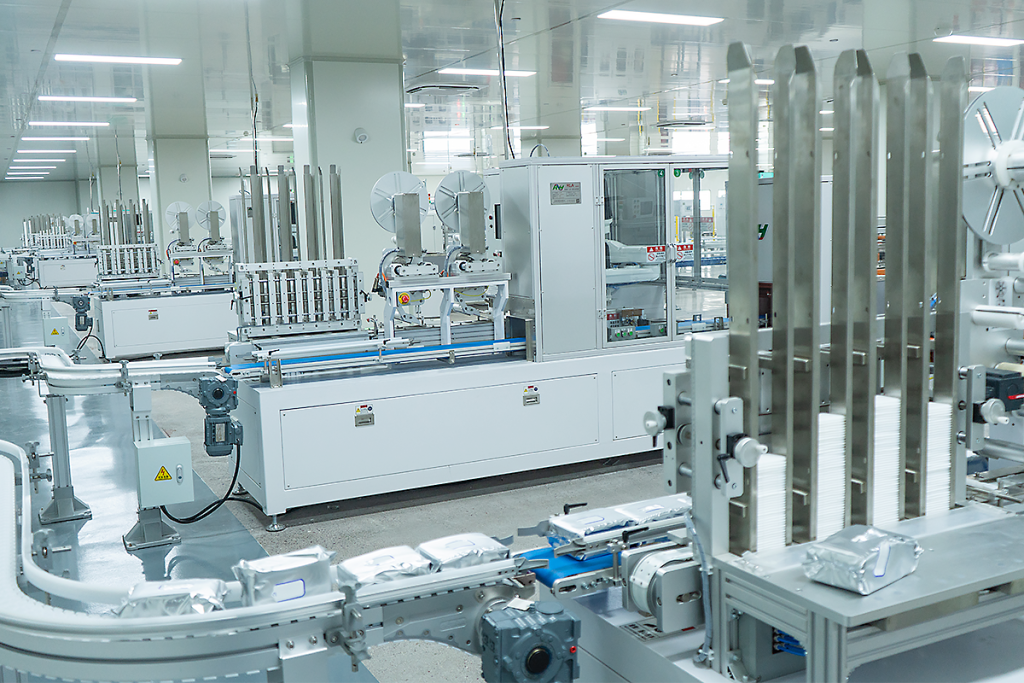
I want this piece to read like a short coaching session. I’ll point out where the pain lives, what I’ve seen work, and the simple checks you can do first. Think of me as the colleague who’s done late-night troubleshooting with a clipboard and a coffee. We’ll cover controls, material flow, and a little on maintenance philosophy. Ready? Let’s move into the real problems you’ll want to fix next.
Digging Deeper: Flaws in traditional solutions and hidden pain points
Why do reliable systems fail under real conditions?
The first thing I’ll say plainly: tools alone don’t solve process gaps. Even a modern automatic wet wipes machine can sit underperforming if upstream steps are ignored. I’ve seen lines where the wrapper jams because the web tension was inconsistent—yet the team blamed the packing head. Root cause? Poorly tuned PLC loops and worn conveyor belts. Those are small items on a maintenance checklist, but they matter. Look, it’s simpler than you think.
Another hidden pain is human–machine mismatch. Operators often set machines to “safe” speeds after a few failures, which hides the real fault but lowers throughput. Humidity control sensors drift. Servo motors that lost a few percent torque quietly create misfeeds. Power converters age and produce noise that confuses control electronics—funny how that works, right? These aren’t glamorous problems. They are mundane, frequent, and costly. We must treat them methodically: measure, log, and then act.
Forward Look: New technology principles and practical metrics
What’s next for plant-level reliability?
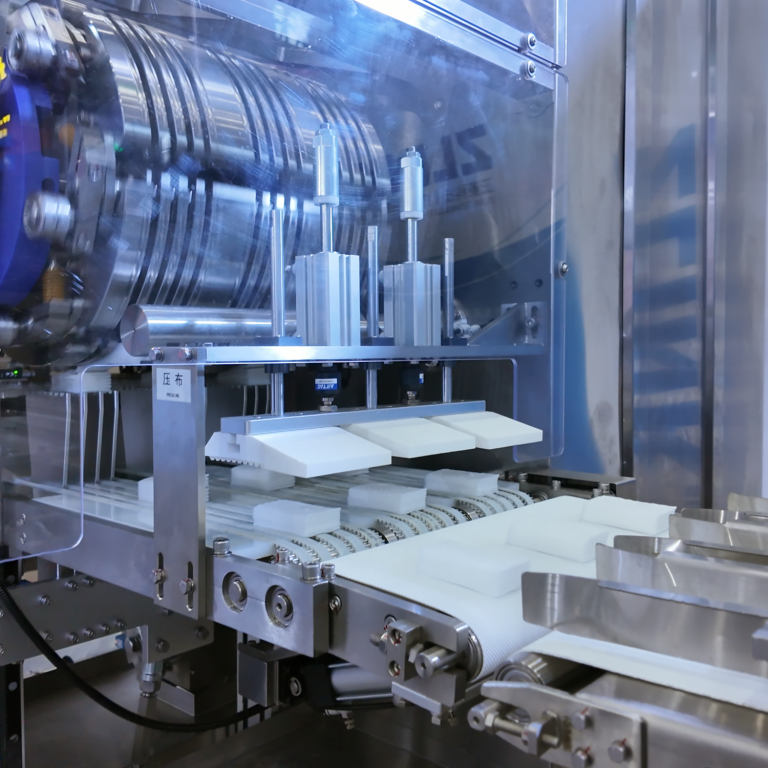
I’m optimistic about practical tech that pairs well with current lines. Start with better data at the edge: adding simple edge computing nodes to monitor motor currents, tension, and humidity gives early warnings. The same automatic wet wipes machine you run today can deliver richer signals with modest sensors and an IIoT gateway. This is not about flashy dashboards; it’s about readable alerts that tell an operator what to check next. I’ve tested setups where a well-placed sensor cut unplanned stops by a third — I’d call that a win.
Next, close the loop on maintenance. Predictive alarms should trigger a quick inspection, not a panic. Train teams to trust the alarms. Use short checklists tied to sensor outputs: quick torque checks, visual web alignment, and humidity spot-measures. When teams use small, repeated fixes, overall reliability climbs. — I swear the gains show up fast.
Evaluation & Practical Advice
Before you invest, I suggest three simple metrics to judge any upgrade or vendor claim:
1) Mean time between stops (MTBS): Track it for a month. Does the proposed fix increase MTBS measurably? If not, rethink. 2) False alarm rate: An alarm that triggers too often loses trust. Aim for under 10% false positives in the first three months. 3) Time-to-recover: Measure how long teams take from alarm to full speed. Improvements here deliver immediate revenue gains.
We’ve covered the small failures that snowball, the quiet sensor issues, and how modest tech plus disciplined checks make a big difference. I hope you feel equipped to try a few changes this week — small steps lead to steady gains. For practical partners and equipment references, consider exploring options from ZLINK.