Proper installation is essential for the safe and reliable operation of any drainage system. When working with PVC DWV pipe, installers must follow applicable plumbing codes to ensure wastewater flows correctly and venting functions as intended. Understanding these requirements helps reduce future maintenance issues and supports long-term system performance.
Approved Applications and Material Standards
PVC DWV pipe is designed for drain, waste, and vent applications in gravity based systems. Plumbing codes generally specify that this type of pipe should not be used for pressurized water supply. The pipe and fittings must comply with recognized material standards related to wall thickness, diameter, and temperature resistance. Using certified products from established manufacturers such as LESSO helps ensure the pipe meets these specifications and is accepted by inspectors.
Pipe Sizing and Slope Requirements
Codes clearly define minimum pipe diameters for different fixtures to maintain adequate flow capacity. For example, sink drains, floor drains, and toilet connections each require specific sizes. In addition to diameter, proper slope is critical. PVC DWV pipe is typically installed with a gradual downward slope that allows wastewater to flow by gravity without creating excessive velocity. Insufficient slope may cause blockages, while excessive slope can lead to poor solids transport.
Joint Connections and Support Spacing
Secure joints are another key focus of installation codes. Solvent cement welding is commonly required for PVC DWV pipe, with proper surface preparation and curing time. Codes also specify horizontal and vertical support spacing to prevent sagging and joint stress. Adequate support ensures the pipe maintains alignment and protects fittings over time.
Venting and System Integration
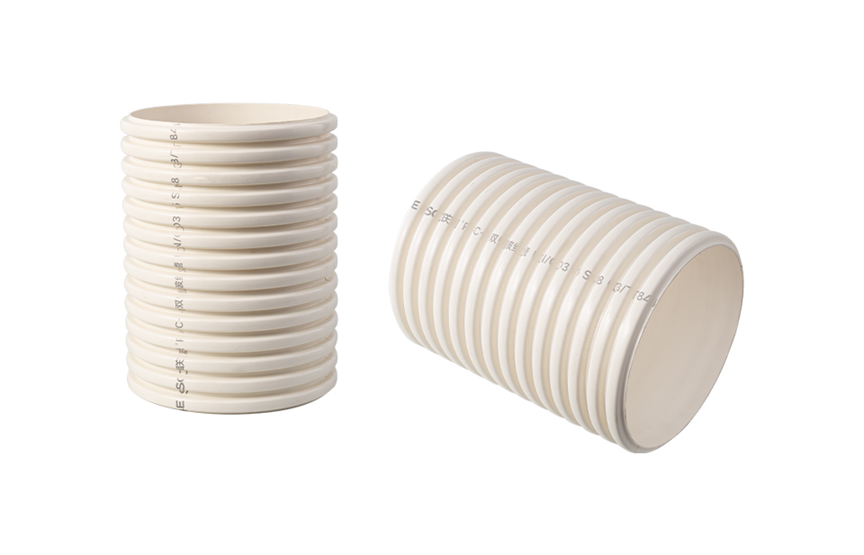
Venting requirements are an essential part of DWV codes. Vent pipes must be correctly sized and routed to balance air pressure and protect trap seals. In some projects, PVC DWV pipe connects with other drainage components, such as corrugated pipe used in exterior or site drainage, but each system must comply with its own installation rules.
Conclusion
Code requirements for PVC DWV pipe installation focus on material compliance, correct sizing, proper slope, secure joints, and effective venting. Following these guidelines helps ensure safe wastewater removal and consistent system performance. By selecting quality PVC DWV pipe products from LESSO and adhering to local plumbing codes, installers can build drainage systems that meet inspection standards and perform reliably over time.