The Role of RFID Antennas in Communication
RFID antennas are essential components in the realm of radio frequency identification (RFID) technology, facilitating seamless communication between tags and readers. These antennas enable data to be transmitted wirelessly, playing a vital role in various applications, such as inventory management, asset tracking, and access control. In retail settings, for example, an RFID antenna can quickly identify products in large quantities, drastically reducing the time required for stocktaking. Moreover, with their ability to operate in challenging environments, RFID antennas are preferred in industries like logistics and manufacturing, where durability and reliability are paramount.
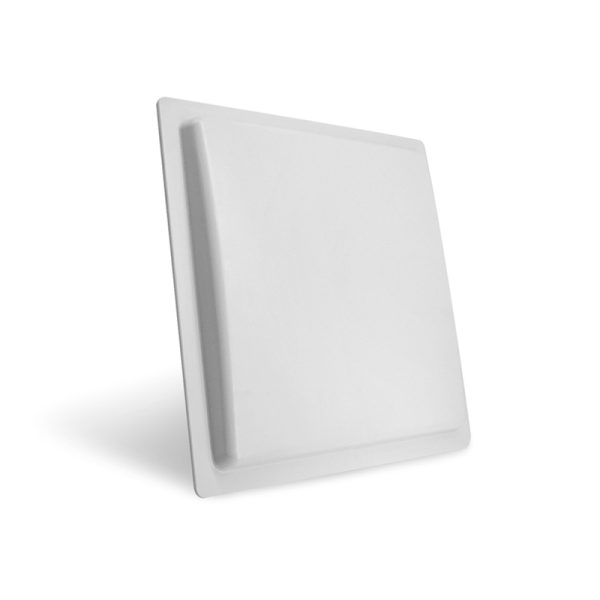
Choosing the Right RFID Antenna
Selecting the appropriate RFID antenna depends on several factors, including frequency, range, and the specific use case. Each application may require distinct types of antennas to meet performance needs effectively. For instance, a passive UHF RFID antenna is well-suited for long-range applications, whereas a low-frequency antenna may excel in environments with metal interference. By understanding these differences, users can make informed decisions that enhance their operational efficiency. If you’re looking for options, explore rfid antennas designed for various applications and needs.

The Advantages of Selecting a Trusted RFID Antenna Manufacturer
When it comes to RFID technologies, partnering with a reputable rfid antenna manufacturer can make a significant difference in product quality and support. Trusted manufacturers often provide in-depth technical assistance, ensuring that customers can select the right products for their specific requirements. Additionally, they typically offer a range of customizable options that allow businesses to tailor solutions according to their operational needs. For example, a dedicated manufacturer may provide antennas that are specifically designed for unique environmental challenges, providing resilience and efficiency.
Benefits of Collaborating with an RFID Antenna Manufacturer
Collaborating with an established rfid antenna manufacturer brings several advantages beyond product quality. First, the expertise from experienced manufacturers can lead to innovative solutions, improving efficiency and streamlining processes. Moreover, manufacturers who prioritize research and development often stay ahead of industry trends, allowing businesses to adopt cutting-edge technology. This forward-thinking approach can significantly enhance an organization’s competitive edge, providing them with the necessary tools to thrive in today’s fast-paced market.
Conclusion: Trust RSTC for Your RFID Antenna Needs
In summary, RFID antennas play a crucial role in various industries by improving operational efficiency and streamlining communication processes. Selecting the right RFID antenna and collaborating with a reliable manufacturer can significantly influence your project’s success. With RSTC as your partner, you gain access to high-quality antennas and the advantages of a dedicated manufacturer that understands your needs. Explore the offerings by visiting RSTC today, where you can find solutions tailored to meet your ongoing RFID needs.
Expanded Content on RFID Antennas
The Role of RFID Antennas in Communication
RFID antennas are essential components in the realm of radio frequency identification (RFID) technology, facilitating seamless communication between tags and readers. These antennas enable data to be transmitted wirelessly, playing a vital role in various applications such as inventory management, asset tracking, and access control. In retail settings, for example, an RFID antenna can quickly identify products in large quantities, drastically reducing the time required for stocktaking. Moreover, with their ability to operate in challenging environments, RFID antennas are preferred in industries like logistics and manufacturing, where durability and reliability are paramount. Additionally, as the technology continues to evolve, new designs and functionalities are being introduced that allow for even broader applications and enhanced performance for RFID systems.
Choosing the Right RFID Antenna
Selecting the appropriate RFID antenna depends on several factors, including frequency, range, and the specific use case. Each application may require distinct types of antennas to meet performance needs effectively. For instance, a passive UHF RFID antenna is well-suited for long-range applications, whereas a low-frequency antenna may excel in environments with metal interference. By understanding these differences, users can make informed decisions that enhance their operational efficiency. If you’re looking for options, explore rfid antennas designed for various applications and needs. Furthermore, considering factors like the antenna’s gain and beam width can also significantly impact performance, leading to improved data accuracy and reading distances, which are crucial in fast-paced business environments.
The Advantages of Selecting a Trusted RFID Antenna Manufacturer
When it comes to RFID technologies, partnering with a reputable rfid antenna manufacturer can make a significant difference in product quality and support. Trusted manufacturers often provide in-depth technical assistance, ensuring that customers can select the right products for their specific requirements. Additionally, they typically offer a range of customizable options that allow businesses to tailor solutions according to their operational needs. For example, a dedicated manufacturer may provide antennas designed for unique environmental challenges, offering resilience and efficiency. This partnership can facilitate smoother implementation processes and ongoing support, which is critical for maximizing the return on your investment in RFID technology.
Benefits of Collaborating with an RFID Antenna Manufacturer
Collaborating with an established rfid antenna manufacturer brings several advantages beyond product quality. First, the expertise from experienced manufacturers can lead to innovative solutions, improving efficiency and streamlining processes. Moreover, manufacturers who prioritize research and development often stay ahead of industry trends, allowing businesses to adopt cutting-edge technology. This forward-thinking approach can significantly enhance an organization’s competitive edge, providing them with the necessary tools to thrive in today’s fast-paced market. Ultimately, these collaborations can yield high performance, reduced operational risks, and further opportunities for growth through new technology integrations.