Why the Tube You Choose Matters in Real Life
Picture a busy morning, a quick swipe, and a line that stays put. Then the cap loosens, the formula dries, and your plan slips. That little eyeliner tube sits between your hand and a clean line. I’ve tested samples, including an empty eyeliner tube that seemed perfect—until it wasn’t. In many studios, returns spike when seals fail or wipers clog. Some data points say up to a third of user complaints trace back to the package, not the formula. It sounds harsh, but you’re not alone (we’ve all been there). So, if your liner flakes, smudges, or leaks, the cause may be a quiet mechanical miss: cap torque, wiper fit, or material mismatch. The good news is, once you know what to look for, you can prevent most of it and help your routine run smooth. Here’s a gentle question: is your tool serving you, or are you working around it? Let’s move from guesswork to simple checks—one step at a time.
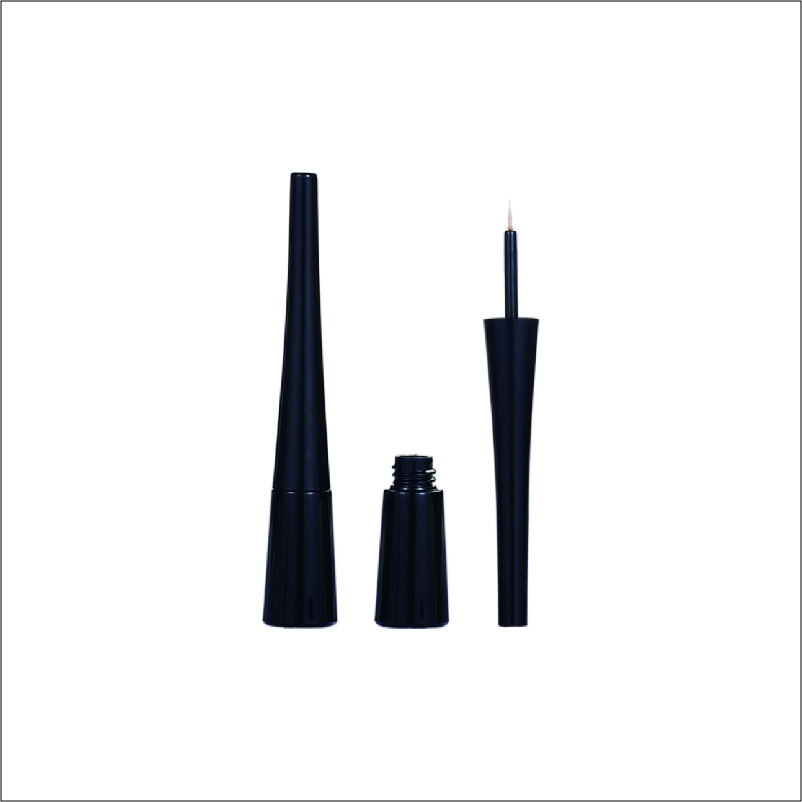
Under the Cap: Hidden User Pain Points
Where does the mess start?
Let’s get technical for a moment. Most day-to-day issues start with the interface between the cap and the neck. If cap torque is too low, air gets in; too high, threads fatigue. Either way, the line turns dry or runny—funny how that works, right? A second trap is the wiper. When the wiper’s inner diameter and the applicator stem don’t match the viscosity index of your formula, you get globs or starvation. Look, it’s simpler than you think: match wiper geometry to formula thickness, and half the battle is won.
There’s more. Tiny burrs from injection molding can nick the wiper lip, which raises leak rate under pressure changes (think flights or hot cars). Solvent-heavy inks also need material compatibility—PP resin with the right copolymer blend, or even PCR options that still maintain seal integrity. Add a clean mold draft angle, and you avoid scrape-back and mess on the ferrule. These are small parts, but they shape the whole user feel. A tube that manages air exchange, keeps a stable seal, and supports precise flow makes your hand steadier—and your day calmer.
Comparative Insight: Cleaner Tubes by Design, Not Luck
What’s Next
Moving ahead, we’re seeing smarter parts, not just prettier shells. Some makers are upgrading wiper profiles with micro-chamfers that regulate flow on the pull-out stroke, while dual-gasket closures cut oxygen ingress without over-tightening. Others use ultrasonic welding on the shoulder to stabilize joints and lower leak risk under thermal swing. In side-by-side trials, a balanced wiper plus proper cap torque retention often outperforms a fancy shell by a mile. If you’re weighing a classic tube against a new design, test them with the same stroke count and dwell time; the better system will show steady deposit and less tip dry. When you review a liquid eyeliner tub, look for air-path control and batch traceability—small details, big calm.
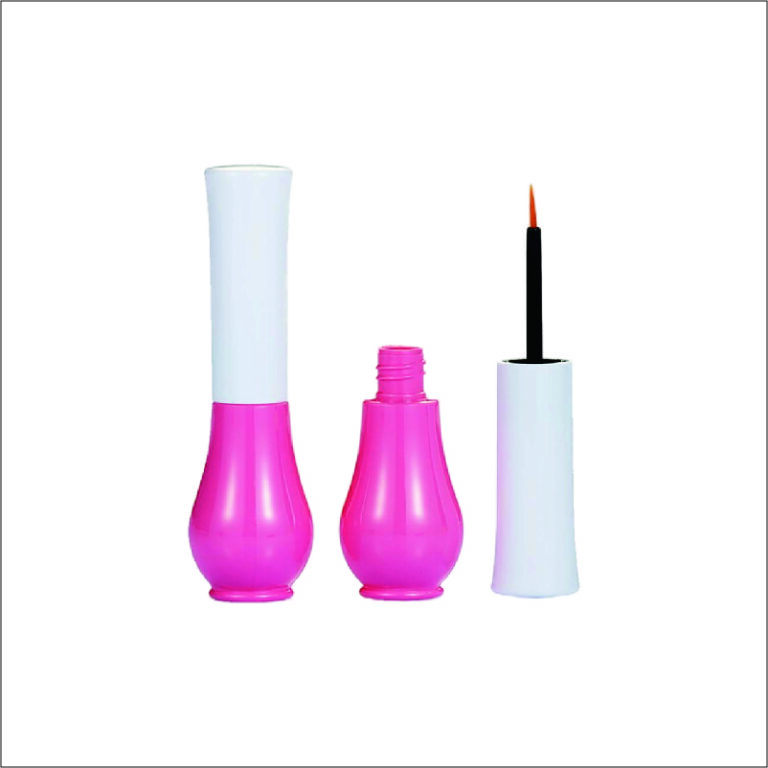
Future-forward options are also emerging: low-friction stems reduce shear so pigment stays even; revised polymer blends improve solvent resistance; and PCR resin is getting better at holding tight tolerances (yes, sustainability can meet performance—and yes, that tiny change matters). The key insight is simple: packaging is a system. Seal, wiper, stem, and cap act like a team. Compare them as a set, not as single parts, and you’ll spot the tube that keeps your line sharp with less effort. To choose well, use practical metrics you can check at home or in a lab. Advisory close-out: measure three things. One, seal integrity—no weeping after 24–48 hours at heat/cold. Two, flow control—consistent line after 10, 20, and 30 strokes, no sudden flooding. Three, compatibility—no softening or swelling of parts after soak with your formula. With these in hand, your verdict will be clear, and your mornings quieter. For reference and deeper specs, see NAVI Packaging.a