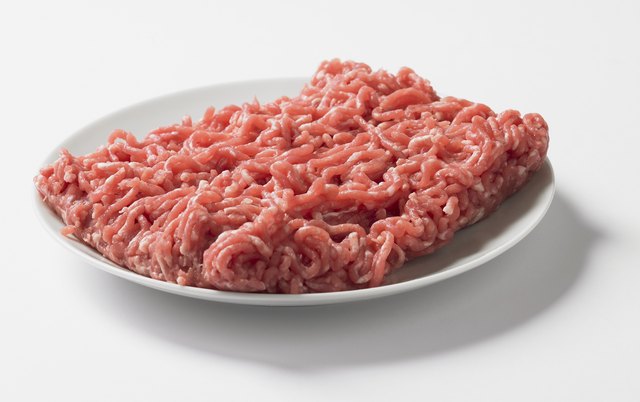
Ground beef is a staple in many diets worldwide. Its versatility and rich flavor make it a popular choice for a variety of dishes, from burgers to meat sauces. However, like all foods, understanding its nutritional content is essential for making informed dietary choices. This article will explore the caloric content of ground beef, how it varies based calories ground beef on fat content, and its implications for health and diet.
1. The Basics of Ground Beef
Ground beef, also known as minced beef, is made by grinding or mincing beef. The quality and fat content of ground beef can vary significantly, which in turn affects its calorie count. The most common varieties include ground chuck, ground round, and ground sirloin. Each type has different fat percentages, which impacts both taste and nutritional value.
2. Caloric Content by Fat Percentage
The caloric content of ground beef is closely linked to its fat percentage. Here’s a breakdown of the calories you can expect from different types of ground beef:
- Ground Beef (70% Lean, 30% Fat): This is one of the fattier options. A 3.5-ounce (100-gram) serving typically contains around 250 calories. The high fat content contributes to the higher caloric value, and this type is often used for its flavor and juiciness.
- Ground Beef (80% Lean, 20% Fat): A more balanced option, this type of ground beef provides about 250 calories per 3.5-ounce (100-gram) serving. It’s commonly used in dishes like burgers and meatloaf due to its favorable fat-to-meat ratio.
- Ground Beef (85% Lean, 15% Fat): This leaner version has about 230 calories per 3.5-ounce (100-gram) serving. It offers a lower fat content while still retaining much of the flavor and tenderness found in fattier ground beef.
- Ground Beef (90% Lean, 10% Fat): For those seeking a lower-calorie option, this variety has roughly 200 calories per 3.5-ounce (100-gram) serving. It is ideal for those who want to reduce fat intake while maintaining a good level of meatiness in their dishes.
- Ground Beef (95% Lean, 5% Fat): The leanest ground beef available, it contains approximately 150 calories per 3.5-ounce (100-gram) serving. This type is often chosen by those who are specifically monitoring their fat and calorie intake.
3. Cooking and Caloric Changes
Cooking ground beef can alter its caloric content. When ground beef is cooked, it loses some fat and moisture. The cooking method also impacts the final calorie count:
- Grilling: When ground beef is grilled, fat drips away, potentially reducing its calorie content. A grilled 3.5-ounce (100-gram) serving of 80% lean ground beef might have around 230 calories, compared to the raw version’s 250 calories.
- Pan-Frying: Cooking ground beef in a pan with added oil can increase the calorie count. The final caloric content depends on how much oil is absorbed during cooking.
- Baking: Baking ground beef can help reduce the fat content as excess fat can drain away, similar to grilling. This method often results in a slightly lower calorie count compared to pan-frying.
4. Nutritional Benefits and Considerations
Ground beef is a rich source of several essential nutrients, including protein, iron, zinc, and B vitamins. However, its fat content can also contribute to saturated fat intake, which should be monitored to maintain heart health. Choosing leaner cuts of ground beef can help balance the nutritional benefits with a lower calorie count.
5. Portion Control and Dietary Impact
Understanding the caloric content of ground beef helps with portion control. For example, a standard serving size is around 3.5 ounces (100 grams). Being aware of the calorie content per serving can help manage overall caloric intake, especially for those following a weight management plan.
6. Comparisons to Other Protein Sources
Comparing ground beef to other protein sources can provide context for its caloric content:
- Chicken Breast: Skinless, boneless chicken breast has about 165 calories per 3.5-ounce (100-gram) serving. It is lower in fat compared to many types of ground beef.
- Pork: Ground pork can be similar in caloric content to ground beef, but it often has a higher fat content depending on the cut.
- Tofu: For a plant-based option, tofu provides around 70 calories per 3.5-ounce (100-gram) serving, making it a lower-calorie alternative to ground beef.
7. Incorporating Ground Beef into a Balanced Diet
Ground beef can be part of a balanced diet when consumed in moderation. Opting for leaner varieties and paying attention to portion sizes can help integrate it into a healthy eating plan. Combining ground beef with vegetables, whole grains, and other nutrient-dense foods can create balanced meals.
Conclusion
Ground beef is a versatile and flavorful ingredient that varies in caloric content based on its fat percentage and cooking method. By understanding these variations, you can make more informed choices about how to incorporate ground beef into your diet while managing calorie intake. Whether you choose a fattier option for flavor or a leaner version for health reasons, ground beef can be enjoyed as part of a balanced and nutritious diet.