Attaching plastic sheeting to PVC pipe creates protective barriers and waterproofing systems for various construction applications. Many projects require securing flexible plastic materials to rigid pipe structures for moisture control or debris containment. Understanding proper attachment methods prevents sheeting damage and ensures secure, durable connections. Whether you’re protecting during construction or creating permanent waterproofing systems, learning attachment techniques proves valuable. Mastering plastic sheeting attachment to PVC PVC plumbing enables successful completion of weatherproofing and protective projects.
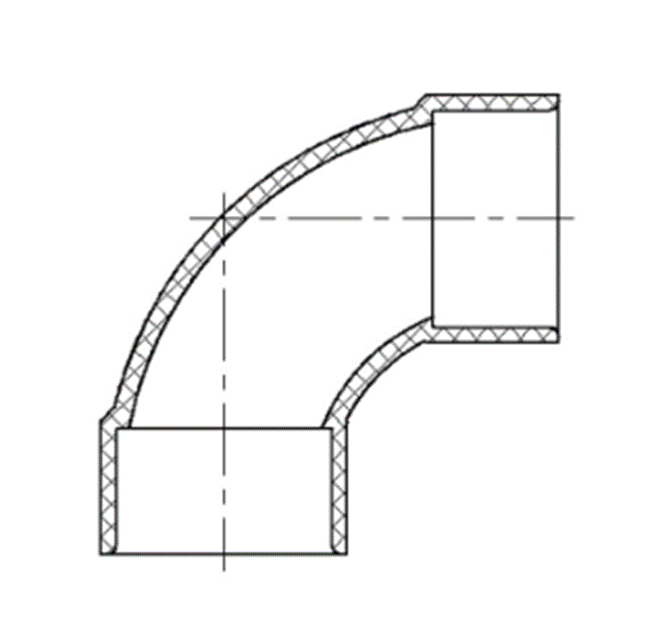
Selecting Appropriate Plastic Sheeting Materials
Choose plastic sheeting thickness matching your application requirements—thicker materials provide better durability. UV-resistant plastic sheeting remains suitable for outdoor applications exposed to direct sunlight. Standard polyethylene sheeting works well for temporary construction protection or interior applications. Heavy-duty reinforced plastic sheeting withstands rough handling and provides extended service life. Proper material selection ensures plastic sheeting remains functional throughout your project requirements.
Preparing PVC Pipe Surface for Sheeting Attachment
Clean PVC pipe surfaces thoroughly removing dirt, dust, and debris before attaching plastic sheeting. Rough surfaces sometimes require sanding to improve adhesive contact with PVC pipe. Dry the PVC pipe completely ensuring no moisture interferes with sheeting adhesion. Inspect the pipe for damage or sharp edges that could puncture plastic sheeting during attachment. Surface preparation creates ideal conditions for reliable plastic sheeting attachment to PVC pipe.
Using Adhesive Tape for Plastic Sheeting Installation
Heavy-duty adhesive tape designed for outdoor use bonds plastic sheeting securely to PVC pipe. Position tape along the edge where plastic sheeting contacts PVC pipe, creating waterproof seals. Apply tape firmly, pressing it against both the sheeting and pipe surface simultaneously. Overlap tape sections slightly to prevent gaps where water could penetrate behind plastic sheeting. Quality waterproof tape provides reliable, removable attachment methods for plastic sheeting to PVC pipe.
Employing Clamps and Straps for Secure Attachment
Stainless steel hose clamps wrap around PVC pipe securing plastic sheeting in place mechanically. Position clamps every few inches along the pipe to distribute pressure evenly across plastic sheeting. Tighten clamps firmly but avoid over-tightening, which could deform PVC pipe or damage sheeting. Plastic cable ties offer lighter-duty alternatives for temporary plastic sheeting attachment to PVC pipe. Mechanical fastening provides reusable, adjustable attachment solutions for various sheeting applications.
Wrapping Plastic Sheeting Around PVC Pipe
Center plastic sheeting over the PVC pipe and wrap it around the circumference tightly. Overlap sheeting edges by several inches to prevent gaps and ensure complete pipe coverage. Secure overlapped edges using adhesive tape or fasteners to prevent unwrapping. Multiple wraps provide additional protection and redundancy for critical waterproofing applications. Proper wrapping technique creates secure, weather-tight plastic sheeting installations on PVC pipe.
Creating Sealed Connections Where Sheeting Meets Pipe
Use flexible sealants or caulk to seal gaps between plastic sheeting edges and PVC pipe surfaces. Waterproof caulk prevents moisture infiltration at sheeting attachment points. Allow sealant to cure fully before exposing the installation to water or harsh weather. Quality sealants maintain flexibility accommodating thermal movement without cracking. Sealed connections ensure plastic sheeting remains waterproof throughout its service life on PVC pipe.
Using Heat-Shrink Methods for Plastic Sheeting
Specialized heat-shrink plastic tubing shrinks tightly around PVC pipe securing plastic sheeting underneath. Position plastic sheeting on the pipe, then slide heat-shrink tubing over it. Apply controlled heat using appropriate tools to shrink tubing tightly around the pipe. Heat-shrink methods create permanent, very secure attachment of plastic sheeting to PVC pipe. This technique works particularly well for critical waterproofing applications requiring maximum security.
Installing Plastic Sheeting Over Pipe Joints
Extend plastic sheeting several inches beyond pipe joints, wrapping completely around connections. Sheeting should overlap joints by at least three inches on each side for adequate protection. Secure sheeting firmly over joints using multiple attachment methods for redundancy. Pay special attention to joints since these connection points are most vulnerable to leakage. Proper joint coverage prevents water infiltration at critical plumbing connection points.
Managing Thermal Expansion in Sheeting Attachments
Allow slight slack in plastic sheeting to accommodate PVC pipe movement during temperature changes. Rigid attachment prevents natural pipe movement, potentially stressing connections or tearing sheeting. Use flexible fasteners or elastic attachment methods that accommodate thermal movement. Plan for expansion and contraction when designing sheeting attachment systems. Thermal accommodation ensures plastic sheeting remains intact and functional through seasonal temperature variations.
Protecting Sheeting From UV and Physical Damage
Shield plastic sheeting from direct sunlight when possible to extend material lifespan. Cover UV-vulnerable plastic sheeting with opaque materials or paint for outdoor protection. Avoid routing plastic sheeting through high-traffic areas where physical contact could damage it. Position protective guards around sheeting in areas subject to impact or abrasion. Proper protection prolongs plastic sheeting functionality on exposed PVC pipe installations.
Inspecting and Maintaining Plastic Sheeting Attachments
Conduct regular inspections identifying loose or damaged plastic sheeting on PVC pipe. Tighten any loose fasteners and reseal gaps where water might infiltrate behind sheeting. Replace damaged plastic sheeting sections before they allow water infiltration. Monitor attachment points for corrosion or degradation requiring maintenance intervention. Preventive maintenance keeps plastic sheeting functional protecting PVC pipe systems long-term.
Removing Plastic Sheeting Without Damaging Pipe
Carefully peel adhesive tape away from the PVC pipe[1] when removing plastic sheeting. Use solvents if needed to dissolve stubborn adhesive without damaging pipe surfaces. Remove clamps and fasteners systematically working along the pipe length. Clean remaining adhesive residue from PVC pipe using appropriate solvents or cleaning methods. Proper removal procedures preserve PVC pipe condition for reuse or alternative applications.
Professional Assistance for Complex Applications
Licensed contractors possess expertise for complex plastic sheeting attachment to PVC pipe systems. Professional guidance ensures proper waterproofing and durable sheeting installations. Specialized equipment and techniques available to professionals ensure optimal results. Professional consultation helps select appropriate materials and methods for your specific application. Investing in professional expertise prevents costly mistakes in critical waterproofing projects.
Conclusion
Attaching plastic sheeting to PVC pipe successfully depends on selecting appropriate materials and employing proper attachment techniques. LESSO America manufactures quality PVC pipe suitable for applications requiring plastic sheeting protection and waterproofing. By understanding various attachment methods and selecting techniques matching your project requirements, you can confidently secure plastic sheeting to PVC pipe. With proper installation and maintenance, plastic sheeting protection systems on PVC plumbing applications will remain effective and durable throughout their service life.