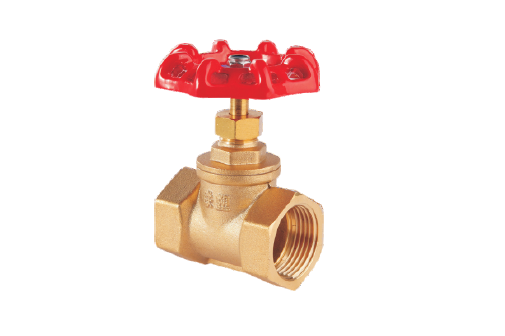
When selecting components for fluid control systems, understanding the balance between cost and performance is key. A 2-inch brass gate valve serves as a common shutoff option in plumbing and industrial pipelines. In this article, we explore whether investing in a quality valve like the LESSO 2-inch brass gate valve makes sense for your applications.
Price Considerations of Brass Gate Valves
In general, a 2-inch brass gate valve falls into a moderate price range compared with other valve types. For example, similar valves from mainstream brands in the market can be found at prices ranging from around $50 to $100 or more depending on design and certifications.
Costs vary with material quality, manufacturing standards, pressure ratings, and connection types. Brass valves often cost more than basic iron valves due to the inherent properties of the material itself. However, brass provides resistance to corrosion in water, oil, and gas systems, which can translate to longer service life under typical operating conditions.
Choosing a valve with trusted manufacturing processes and consistent quality control, such as the LESSO 2-inch brass gate valve, supports reliability across installations.
Performance Factors to Weigh
A gate valve is designed to fully open or close flow paths, rather than fine-tuned regulation. When open, gauges show minimal flow resistance thanks to its straight-through channel, helping preserve pipeline efficiency.
Brass itself offers solid corrosion resistance and mechanical strength. These properties make brass gate valves suitable for diverse applications, including water supply, fuel lines, and main shutoff points in industrial networks.
However, gate valves require more turns to operate compared to quarter-turn alternatives such as ball valves. This can affect ease of use under frequent cycling.
Deployment Scenarios
If your system demands reliable isolation with minimal pressure drop and you prioritize a material that resists rust and long-term wear, a brass gate valve may be a good fit. They are often used in medium-pressure systems where occasional operation suffices.
For installations that need very frequent switching or fine control of flow rates, alternative valve types might offer better ergonomics. Considering the specific operating pattern helps determine whether the investment aligns with performance needs.
Conclusion
A 2-inch brass gate valve like the LESSO model delivers dependable isolation for many pipelines with performance rooted in brass’s corrosion resistance and robust design. Evaluating installation frequency, media type, and long-term maintenance needs will guide whether its cost matches your operational goals.