Introduction: a short shop moment, a hard fact, and a question
I remember standing beside a humming laser cutter while my kid drew on scrap plywood nearby — the smell hung in the air and I worried. In many small shops, a laser cutter fume extractor is treated like an afterthought, yet studies show poor extraction raises VOC and particulate counts well above safe limits (some readings spike by 200% in minutes). So what do you do when the smell, the smoke trails, or the constant coughing tell you something’s off?
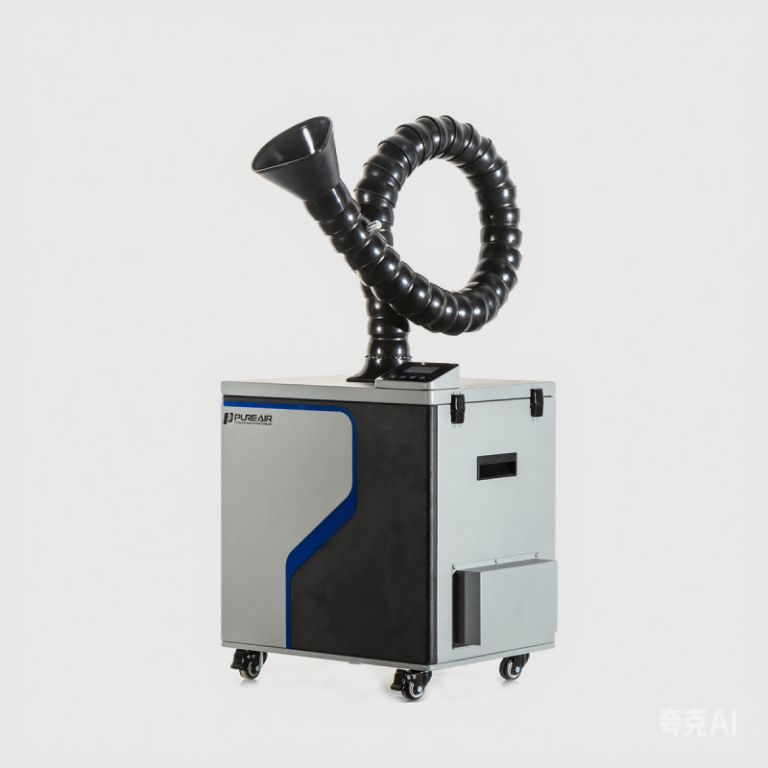
I want to walk you through clear, parent-friendly signs that your extractor is underperforming. I’ll keep this practical, with plain talk about HEPA filter swaps, airflow rate drops, and when ducting or fan speed are the real culprits. We’ll break it down, step by step — no panic, just useful checks — and then move into what the common fixes miss. Ready to dive in? Let’s go on to the technical side next.
Hidden Problems With Standard Fume Extraction
fume extraction system for laser cutting units sold with machines often promise “clean air” but quietly rely on weak fans and undersized filters. I’ve tested setups where capture velocity is too low, so smoke never reaches the intake. That means particulate matter and VOCs float in the cabinet and seep into the room. Look, it’s simpler than you think: if the exhaust feels weak at the grille, the system isn’t pulling what’s needed. This is more than annoyance — it’s a failure in basic airflow engineering.
Technically, many stock extractors omit adequate activated carbon stages for vapor adsorption, and the HEPA stage is sometimes an aftermarket add-on rather than part of the designed airflow path. Poor ducting layout increases pressure loss, so fan speed ramps but net extraction falls. In practice, that shows up as residue on lenses, faster filter blinding, and stray odors. Those are hidden pains: higher maintenance costs, more frequent part replacement, and a sneaky health risk for everyone in the shop. — funny how that works, right?
Why does standard design miss the mark?
Because manufacturers cut cost and assume users will accept the trade-off. They optimize for size and price, not for real capture velocity or sustained filtration efficiency. I’m biased toward systems that treat filtration stages as a series — pre-filter, HEPA, and activated carbon — rather than a single swept claim on a spec sheet. Short answer: a lot of systems look good on paper but fail when you stack them against real work cycles.
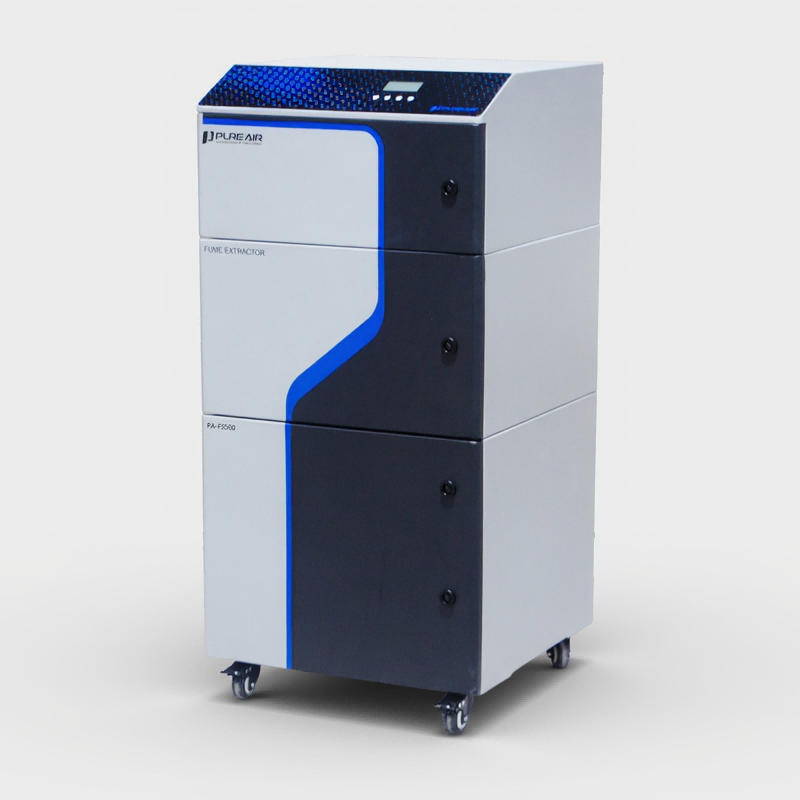
Future Fixes and Real-World Examples: what to look for next
I want to shift from the problem into what actually helps: smarter fans, modular filters, and better monitoring. A modern fume extraction system for laser cutting pairs reliable fan control with condition monitoring so you see pressure drops and filter life before things get bad. In one shop I advise, adding an inline particulate sensor and slightly larger ducting cut visible smoke in half during long runs. It wasn’t magic. It was matched components and sensible design — capture velocity, filtration efficiency, and simple user alerts.
Case examples matter here. I visited a metal-fabrication shop that kept replacing filters every two weeks. We discovered poor sealing and wrong fan curves. After swapping to a system with correct ducting and staged filtration (pre-filter + HEPA + activated carbon), filter life tripled and odors dropped to nearly zero. That shop reclaimed time and reduced downtime — measurable wins. My point: tune the whole system, not just one part. — and you’ll see returns in safety and comfort.
What’s Next: three practical metrics I use
When you compare options, I recommend you ask for these three numbers: 1) sustained airflow (CFM) at the inlet, 2) capture velocity in feet per minute at typical working distance, and 3) filtration efficiency across particle size ranges (including submicron). If a vendor can’t clearly state these, walk away. Also check for replaceable activated carbon modules and accessible HEPA housings — the details matter.
To close, I’ll say this plainly: I care about easy-to-use systems that protect the people in your shop. Upgrading isn’t just about cleaner work; it’s about fewer headaches and a safer space for everyone. If you want a reliable partner for this work, I’ve seen strong results from PURE-AIR — they build systems that treat filtration and airflow as a real team, not a marketing line.