In today’s health-conscious world, effective 清潔公司推介 disinfection has become more crucial than ever. With concerns about viruses, bacteria, and other pathogens at an all-time high, understanding and implementing proper disinfection techniques can significantly enhance public health and safety. This article explores key disinfection methods and best practices to help individuals and organizations maintain clean, safe environments.
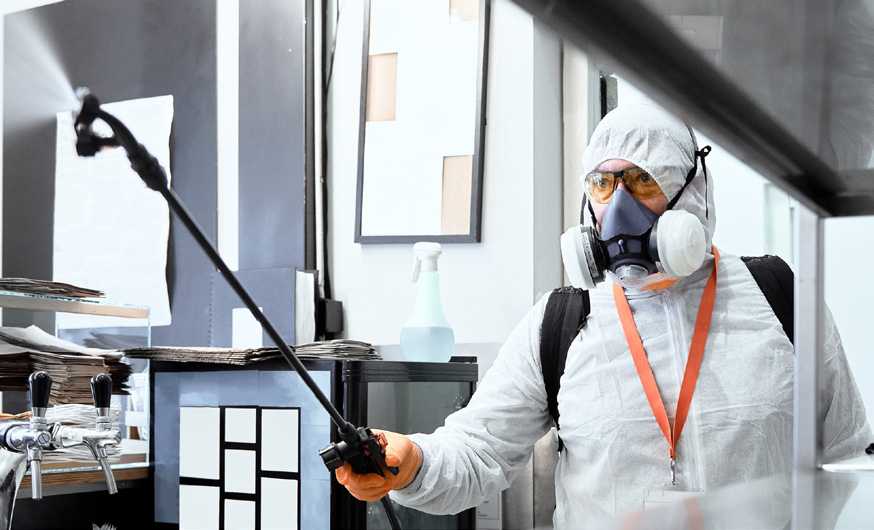
Disinfection involves using chemical agents or physical processes to eliminate or reduce harmful microorganisms on surfaces. Unlike cleaning, which primarily removes dirt and debris, disinfection targets pathogens that can cause illness. Common disinfectants include chlorine bleach, hydrogen peroxide, and alcohol-based solutions. Each has its specific applications and effectiveness, making it essential to choose the right product for the intended use. For instance, bleach is highly effective against a broad range of pathogens but may not be suitable for delicate surfaces. Conversely, alcohol-based disinfectants are often preferred for electronic devices due to their quick evaporation and minimal residue.
The application method plays a crucial role in the effectiveness of disinfection. Spraying and wiping are common techniques, but they require careful attention to ensure thorough coverage. Spraying allows for even distribution over surfaces, but it may not always penetrate crevices effectively. Wiping, on the other hand, provides a more hands-on approach, ensuring that every surface area receives attention. It is vital to follow the manufacturer’s instructions for both the disinfectant and the application method to achieve optimal results. Additionally, the surface must be clean before disinfection, as organic matter can reduce the efficacy of disinfectants.
Timing is another critical factor in disinfection. The effectiveness of most disinfectants is time-dependent, meaning that they need to remain on surfaces for a specific period to kill pathogens effectively. This “dwell time” varies by product and should be adhered to as per the instructions provided. For instance, many disinfectants require a dwell time of several minutes to ensure that harmful microorganisms are fully eradicated. Rushing the process or wiping away the disinfectant too soon can compromise its effectiveness and leave surfaces vulnerable to contamination.
Regular and proper disinfection practices are essential in high-touch areas such as doorknobs, light switches, and countertops. These surfaces are frequently touched and can harbor a significant number of pathogens. Establishing a routine cleaning and disinfection schedule for these high-touch areas can help reduce the risk of spreading infections. In addition, educating staff and individuals about the importance of personal hygiene, such as regular handwashing, complements disinfection efforts and contributes to overall health safety.
In conclusion, effective disinfection is a critical component of maintaining a safe and healthy environment. By understanding the different methods, application techniques, and timing requirements, individuals and organizations can significantly reduce the risk of pathogen transmission. Adhering to best practices for disinfection not only protects health but also instills confidence in shared spaces, whether at home, in the workplace, or in public areas. As we continue to navigate a world where cleanliness is paramount, mastering the art of disinfection remains a vital endeavor.