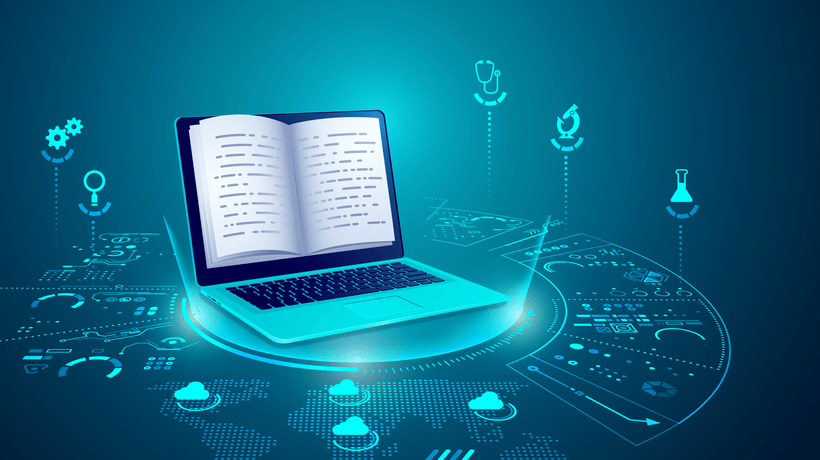
In a world where technology is seamlessly integrated into every aspect of our lives, education is undergoing a profound transformation. E-learning, the use of digital platforms and technologies to facilitate learning, has E-learning emerged as a powerful force reshaping how we acquire knowledge and skills. This article explores the concept of e-learning, its numerous benefits, the challenges it faces, and its potential to redefine education for the future.
What is E-Learning?
E-learning, short for electronic learning, refers to the delivery of educational content and experiences via digital means. Unlike traditional classroom settings, e-learning leverages the internet and digital tools to enable students to access course materials, participate in interactive activities, and engage with instructors and peers from anywhere in the world. It encompasses various formats, including online courses, webinars, virtual classrooms, and multimedia content.
Benefits of E-Learning
- Accessibility and Inclusivity: E-learning breaks down geographical and physical barriers to education. Students from diverse locations—whether in bustling cities or remote rural areas—can access high-quality educational resources. This inclusivity extends to individuals with disabilities or those who face mobility challenges, allowing them to engage with learning materials that may have been inaccessible in traditional settings.
- Flexibility and Convenience: One of the most compelling advantages of e-learning is its flexibility. Learners can choose when and where they study, allowing them to balance education with personal and professional responsibilities. This self-paced learning model accommodates various schedules and learning styles, making education more adaptable to individual needs.
- Cost-Effectiveness: E-learning can be more economical than traditional education. By reducing the need for physical infrastructure, such as classrooms and printed materials, educational institutions can lower costs. For students, e-learning often eliminates expenses related to commuting, accommodation, and textbooks. Many e-learning resources are available for free or at a fraction of the cost of traditional courses.
- Personalized Learning Experience: Advanced e-learning platforms utilize data analytics and adaptive technologies to offer personalized learning experiences. These systems track student progress, assess individual strengths and weaknesses, and adjust content accordingly. Personalized learning helps students focus on areas that need improvement and advance at their own pace.
- Engaging and Interactive Content: E-learning leverages multimedia elements—such as videos, simulations, and interactive quizzes—to enhance engagement and understanding. These tools can make complex concepts more accessible and enjoyable, improving retention and application of knowledge.
Challenges of E-Learning
- Digital Divide: Despite its benefits, e-learning assumes access to digital devices and reliable internet connections. The digital divide remains a significant challenge, particularly in low-income or rural areas where access to technology is limited. Addressing this gap is crucial for ensuring equitable access to e-learning opportunities.
- Engagement and Motivation: Keeping students engaged in a virtual environment can be challenging. The absence of face-to-face interaction and the temptation of distractions can impact motivation and participation. Effective e-learning strategies must incorporate interactive elements, regular feedback, and community-building efforts to maintain learner engagement.
- Quality and Credibility: With the proliferation of e-learning platforms, ensuring the quality and credibility of educational content can be challenging. Not all online courses adhere to rigorous academic standards, and learners must carefully evaluate the credibility of programs and providers to ensure they receive valuable and legitimate education.
- Data Privacy and Security: E-learning platforms handle sensitive personal data, raising concerns about privacy and security. Institutions must implement robust security measures to protect student information from breaches and unauthorized access. Compliance with data protection regulations is essential for maintaining trust and safeguarding user data.
The Future of E-Learning
The future of e-learning holds exciting possibilities, driven by ongoing technological advancements:
- Artificial Intelligence (AI): AI technologies are set to revolutionize e-learning by offering personalized recommendations, automating administrative tasks, and providing real-time support. AI can analyze student data to tailor learning experiences and identify areas for improvement.
- Virtual Reality (VR) and Augmented Reality (AR): VR and AR technologies promise to create immersive learning environments, allowing students to explore and interact with educational content in new and engaging ways. These technologies can enhance understanding through experiential learning and simulations.
- Blended Learning Models: Combining e-learning with traditional classroom instruction, known as blended learning, offers a balanced approach that leverages the strengths of both methods. This hybrid model provides flexibility while maintaining the benefits of in-person interaction.
Conclusion
E-learning represents a transformative shift in education, offering unprecedented opportunities for access, flexibility, and personalization. While challenges such as the digital divide and maintaining engagement need to be addressed, the potential benefits are vast. As technology continues to advance, e-learning will likely play an increasingly central role in shaping the future of education. Embracing e-learning can lead to a more inclusive, dynamic, and effective educational landscape, preparing learners for success in a rapidly changing world.