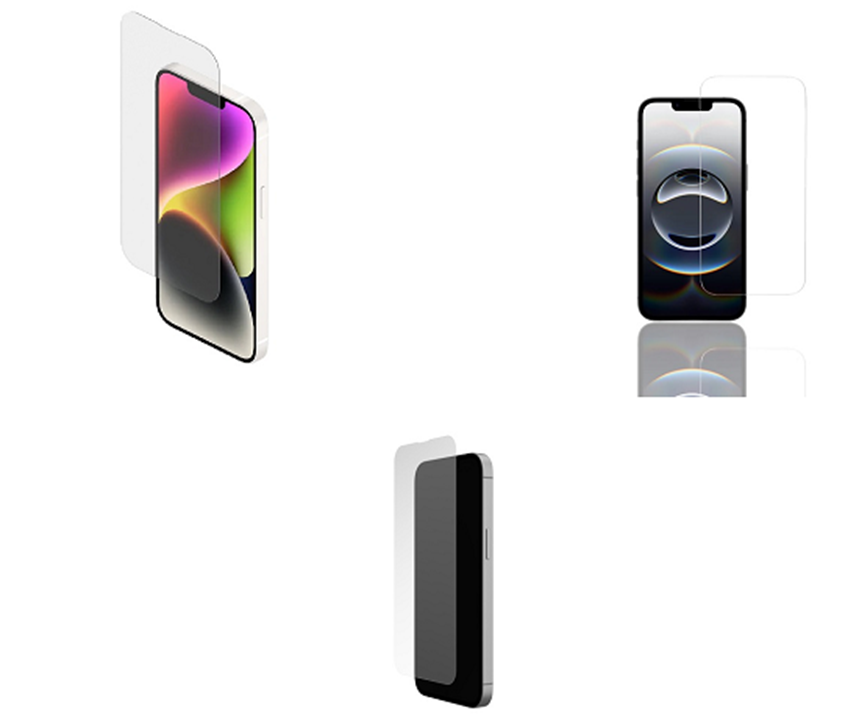
You just unboxed your new iPhone 16e. The screen is pristine, the ceramic shield is gleaming and the display looks incredible. The last thing you want is for that perfect glass to get scratched by keys in your pocket or shattered by an accidental drop. This brings up the inevitable question every new phone owner faces: which screen protector should you buy?
The market is flooded with options, but they generally fall into two main camps: tempered glass and plastic film. Choosing between tempered glass vs film isn’t just about price; it’s about how you use your phone, how much protection you need and what kind of tactile experience you prefer.
This guide breaks down the pros and cons of each type to help you find the perfect iPhone 16e screen protector. We will explore the differences in drop protection, scratch resistance and installation, ensuring you make an informed decision to keep your device safe.
What Is a Tempered Glass Protector?
Tempered glass is exactly what it sounds like: a thin sheet of glass that has been strengthened through thermal or chemical treatments. It is designed to be the sacrificial layer for your device. If you drop your phone face-down, the tempered glass is engineered to shatter so your actual iPhone screen doesn’t.
These protectors are multi-layered. They typically consist of a shock-absorbent silicon base layer, a PET film layer, the actual tempered glass and an oleophobic coating on top to repel fingerprints. despite these layers, high-quality options remain incredibly thin, usually around 0.3mm to 0.5mm.
The primary appeal of tempered glass is that it mimics the original feel of the iPhone 16e. Because you are touching glass, your finger glides just as smoothly as it would on the naked screen. It preserves clarity and brightness better than most plastics, making it the preferred choice for users who want invisible protection.
What Is a Film Screen Protector?
Film protectors are the classic option. Made from materials like PET (polyethylene terephthalate) or TPU (thermoplastic polyurethane), these are thin, flexible plastic sheets that adhere to your screen.
PET films are the cheaper, stiffer, older style of plastic protectors. They offer basic scratch protection but very little impact resistance.
TPU films (often called “hydrogel” or “self-healing” films) are softer and more rubbery. They have unique properties that allow them to “heal” minor scratches over time, the elastic material slowly returns to its original shape after being indented. This makes them excellent for resisting daily wear and tear like scuffs from coins or sand.
Film protectors are significantly thinner than glass, often sitting almost flush with the screen. This makes them less noticeable visually, especially on the edges. However, the trade-off is often in the feel; TPU films can have a slightly “tacky” or rubbery texture that doesn’t feel quite as premium as glass.
Protection, Feel & Durability Compared
When choosing an iPhone 16e screen protector, you need to weigh three main factors. Let’s compare them head-to-head.
1. Drop Protection
- Tempered Glass: This is the clear winner for impact. Glass is rigid and hard (usually 9H on the Mohs hardness scale). When hit, it absorbs the energy and cracks, dispersing the shock before it reaches the iPhone’s display. It is like a helmet for your screen.
- Film: Film offers minimal drop protection. It is excellent at preventing scratches, but if a hammer (or a cement footpath) hits your screen, the force will travel right through the soft plastic to the glass underneath. Film is for scratch defence, not impact defence.
2. Touch and Feel
- Tempered Glass: Because it is glass, it feels identical to the iPhone 16e display. High-quality options from specialists like Campad Electronics come with oleophobic coatings that resist fingerprints and oil, keeping the screen slick and responsive.
- Film: Plastic films can feel different. PET feels smooth but cheap. TPU feels rubbery and can sometimes create a “drag” on your finger when swiping. Over time, plastic can also develop microscopic pits that affect clarity.
3. Durability and Aesthetics
- Tempered Glass: Glass protectors are tough, but they are brittle. A side impact can chip the edge and eventually, they may crack and need replacing. However, until they crack, they remain crystal clear.
- Film: Plastic doesn’t crack, but it does age. It can yellow over time due to UV exposure and the edges might start to peel up after months of going in and out of pockets. TPU films are self-healing for small scratches, but deep gouges will remain permanent.
4. Installation
- Tempered Glass: Modern glass protectors are relatively easy to install because they are rigid. You align them, press the centre and watch the adhesive spread.
- Film: Installing film can be tricky. It is floppy and prone to trapping bubbles. Wet-install TPU films allow you to slide the protector around to get the perfect fit, but they require drying time.
Which Screen Protector Is Best for You?
The “best” protector depends entirely on your lifestyle.
Choose Tempered Glass if:
- You are clumsy or worried about dropping your phone.
- You want the screen to feel exactly like the original iPhone glass.
- You want maximum clarity for watching videos or editing photos.
- You carry your phone in a bag with other hard objects.
Choose Film if:
- You prefer the absolute thinnest profile possible.
- You hate the look of a glass protector sitting on top of the screen.
- You rarely drop your phone but are worried about micro-scratches from sand or pockets.
- You use a very tight-fitting case that might lift the edges of a glass protector.
Trust the Experts at Campad Electronics
Regardless of which material you choose, the quality of the manufacturing matters. A cheap glass protector will shatter with a light tap and have hazy transparency. A cheap film will peel up in a week and ruin your display quality.
This is why savvy Australians turn to Campad Electronics. They aren’t just shifting orders; Campad Electronics are specialists who have been in the mobile accessory game since before the first iPhone even launched. They understand the precise dimensions of the iPhone 16e and source protectors that fit perfectly, without interfering with the front-facing camera or Face ID sensors.
When you buy from Campad Electronics, you get compatibility confidence. Their tempered glass options are 9H rated for superior hardness and their film options are sourced for optical clarity and longevity. Campad Electronics test their gear to ensure it works seamlessly with our cases, preventing that annoying issue where the case pushes the screen protector off the phone.
Your iPhone 16e deserves better than a $2 sticker from a petrol station. Protect that beautiful display with high-quality gear from the experts who know iPhones inside and out.
Ready to protect your screen? Explore the full range of high-quality iPhone 16e screen protectors at Campad Electronics.